Posts

Chayote

Image
  Chayote a species of Sechium Common Name Kajot Choke Merliton Pepanica Vegetable pear Botanical Name Sechium edule Information Chayote is an edible squash in the gourd family that has long been cultivated for food in Latin America. It can be eaten raw or cooked, and it has a slightly sweet taste that has been compared to that of cucumber. Characteristics Plant Type Herb, Vine Lifespan Perennial, Annual Bloom Time Late summer, Early fall, Mid fall Plant Height 39 feet Spread 1.6 foot Habitat Moist, steep hillsides Flower Color WhiteGreenYellow Leaf Color Green Fruit Color GreenWhite Conditions Requirement Difficulty Rating Chayote is super easy to take care of, with resistance to almost all pests and diseases. It is a perfect option for gardeners with brown thumbs. Sunlight Full sun, Partial sun Hardiness Zones 9 to 12 Soil Sand, Loam, Clay, Slightly acidic, Neutral, Slightly alkaline Care Guide Planting Time Mid spring, Late spring Harvest Time Mid fall, Late fall Propagation Sow...

Moringa (Suwanjna )

Image
  Moringa a Species of Moringa Common Name Swanjna Drumstik tree Benzoil tree Never Die Ben Oil Tree   Botanical Name Moringa oleifera Information Moringa (Moringa oleifera) is a fast-growing, deciduous tree that can reach impressive heights. In its native country of India, the moringa is popularly cultivated and harvested for its fruit and leaves. These components of the tree are then used as a source of food and oil extracted from the tree can be incorporated into cosmetics. Symbolism Life, growth, and change Characteristics Plant Type Tree, Shrub Lifespan Perennial Bloom Time Summer, Fall Plant Height 10 to 39 feet Spread 1.5 foot Flower Size 0.8 inch Habitat Stream banks, savannah areas Flower Color WhiteYellow Leaf Color GreenBlueWhiteRed Fruit Color Brown Conditions Requirement Sunlight Full sun, Partial sun Hardiness 30 to 40 ℉ Hardiness Zones 9 to 10 Soil Sand, Loam, Clay, Slightly acidic, Neutral Care Guide Water Moisture-loving,keep the soil moist but do not let wate...

Water Melon

Image
  Water Melon a species of watermelons Common Name Sweet melon Melon Bastard melon Wild melon Botanical Name Citrullus lanatus Information Watermelon (Citrullus lanatus) is a flowering plant with a vine-like appearance native to Western Africa. Watermelon bears fruit that are widely cultivated and consumed across the world. Watermelon grow in tropical and temperate climates and requires warmth to grow. There are 1000 varieties around the world. Name Story Watermelon In hot summer, the solution for dehydration is consuming watermelon. Like its name, this plant contains 91% water content. This fruit, which has been cultivated for thousands of years has become one of the best-selling fruits today. Interesting Facts Watermelon is known as the king of summer melons and fruits. There is a Chinese proverb that says that having watermelons in the summer can prevent diseases. This means that eating Watermelons can prevent heatstroke and it is a good water supplement. Symbolism Good luc...

Jimson weed ( Dhatora )

Image
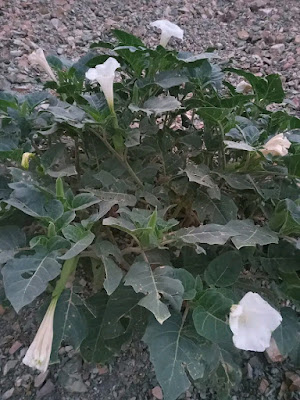
  Jamsonweed a Species of Thorneapple Common Name: Dhatora Manit Sacrid Datura Thorneapple Angeltrumpet Botanical Name: Datura wrightii Name Story: Western jimson weed: it is sometimes called "western Jimson weed" because of its similar appearance to Datura stramonium, the true jimson weed. Nightshade: In clear weather, flowers bloom in the morning and evening and close during the heat of the day depending on the water availability. In cloudy weather, they may bloom earlier and longer. Therefore, it is called the nightshade.  Symbolism: Hex breaking, Sleep, Protection Scientific classification: Genus: Datura - Thornapples, Devil's weeds, Devil's trumpets, Jimsonweeds, Hell's bells, Moonflowers Family: Solanaceae - Nightshade, Solanaceous plants, Potato Order: Solanales - Nightshades, bindweeds, gooseweeds, and allies Class: Magnoliopsida - Dicotyledons, Dicots, Eudicots Phylum: Tracheophyta - Vascular plants, Seed plants, Ferns, Tracheophytes. Information: Jimsonw...

Mariola

Image
  Mariola a Species of Feverfews Common Name Mariola Fever plant Botanical Name Parthenium incanum Information Mariola (Parthenium incanum) is a small, many-branched shrub from the desert regions of northern Mexico and the southwestern United States. Its tiny flowerheads form compact white balls in spring and summer. Characteristics Plant Type Herb Lifespan Perennial Bloom Time Spring, Summer, Fall Plant Height 1.5 to 3 feet Spread 1.5 to 3 feet Flower Size Inflorescence 0.3 inch Habitat Desert grasslands, dry, gravelly slopes and plains Flower Color White Conditions Requirement Sunlight Full sun Scientific classification Genus Parthenium - Feverfews Family Asteraceae - Daisy, Compositae, Aster, Composite, Sunflower Order Asterales - Asters bellflowers fanflowers and allies Class Magnoliopsida - Dicotyledons, Dicots, Eudicots Phylum Tracheophyta - Vascular plants, Seed plants, Ferns, Tracheophytes..

Paradise Apple

Image
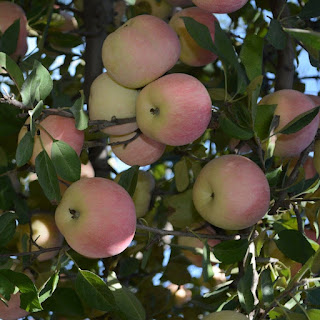
  Paradise Apple a Species of Malus Common Name: Apple  Malus Saib Botanical Name: Malus pumila Name Story: Paradise apple: In the past, all foreign fruits including nuts were called apple. After the widespread of the story of Adam and Eve, the name, Apple was then solely referred to Malus pumila. In mythology, this plant was also believed to exist only in heaven which meant that Adam and Eve had stolen the forbidden fruit. So, it was always called Paradise apple. Information: Paradise apple is the most widely cultivated tree fruit around the globe. The three top apple-producing countries are China, the United States, and Poland with an economic impact of $3.55 billion in 2017. There are more than 7,500 known cultivars of apples throughout the world. Scientific classification: Genus: Malus - Malus Family: Rosaceae - Rose Order: Rosales - Roses, elms, figs, and allies Class: Magnoliopsida - Dicotyledons, Dicots, Eudicots Phylum: Tracheophyta - Vascular plants, Seed plants, Fer...

Lemon

Image
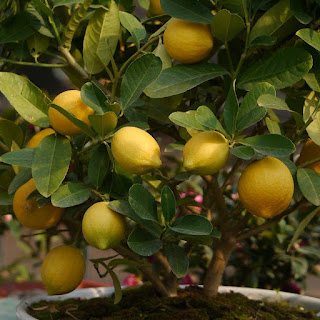
  Lemon a Species of   Citrus  Common Name: Lemon Sweet lime Mayer lemon Botanical Name: Citrus limon Name Story: Lemon: The word “lemon” is derived from the Anglo-Saxon language and from the word “lymon” from the old French language meaning “citrus”. As the appearance of the fruit is almost identical to a citrus, it is still being called lemon up to this day. Information: Lemon is a cultivated small evergreen tree known for its yellow, juicy, sour fruits full of citric acid. Its origins are unknown, but it was probably first created in India, China, or Burma as a hybrid of sour orange ( Citrus  ×  aurantium ) and citron ( Citrus medica ). It is commercial fruit cultivated in warm regions around the world. Scientific classification: Genus: Citrus - Citrus Family: Rutaceae - Rue, Buchu, Citrus Order: Sapindales - Maples, mangos, mahogany, citrus, and allies, Soapberries, cashews, mahoganies, and allies Class: Magnoliopsida - Dicotyledons, Dicots, Eudicots Phylum...

Onions ( piyaz )

Image
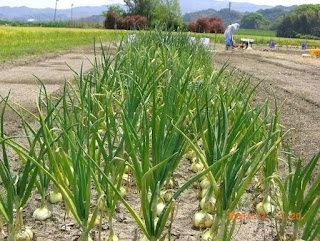
  Onion a species of onions Common Name: Piyaz Onion Ganda  Bassal Wassal Shaloot Botanical Name: Allium cepa Name Story : Garden onion: Cepa is commonly accepted in latin for "onion" and has an affinity with Ancient Greek. It is the most widely cultivated species of the genus Allium and many people treat it as a garden vegetable. Therefore, it is called the garden onion.  Symbolism: Protection, Exorcism, Healing Scientific classification: Genus: Allium - Onions, Garlics, Leeks Family: Amaryllidaceae - Amaryllis Order: Asparagales - Asparagus and allies, Agaves, orchids, irises, and allies Class: Liliopsida - Monocotyledons, Monocots Phylum: Tracheophyta - Vascular plants, Seed plants, Ferns, Tracheophytes. Information: Onion (Allium cepa) is an onion species commonly known for its ubiquitous culinary applications. The onion is toxic to a variety of animals. Aside from its many culinary uses, the onion is often used to teach students how to use a microscope because its ce...

Tomato

Image
  Tomato A Species of Nightshades Common Name: Tomato Botanical Name: Solanum lycopersicum Name Story: Tomato: Tomato comes from the Spanish word “tomate” which means “turgid fruit”. This word is included in part of a popular saying regarding its difference in pronunciation between American English and British English. When presented with two choices that are very similar, you might say “təˈmeɪtoʊ, təˈmɑːtoʊ", which means, just as the two pronunciation choices for the word tomato have the same meaning, the two choices are only slightly different, and so it makes no difference really which of the two you choose.  Interesting Facts: Tomato is probably one of the cultivated fruits and vegetables with the greatest number of cultivars – over 10,000, with each growing season bringing new ones to market. The cultivar with the smallest fruit (0.2 inch - 0.4 inch, 1 g-2 g) is called "Tomberry," while the largest one is probably the "Big Zac," which can produce fruits we...

Sensitive plant

Image
  Sensitive  plant a Species of Sensitive plants Common Name: Shame plant Sleepy grass Touch me not Shy plant Botanical Name: Mimosa pudica Information: Sensitive plant, Mimosa pudica, or sensitive plant, is named for its unique characteristic of curling up when touched. The fernlike leaves will curl inwards when disturbed. It’s purple fuzzy flowers make it an attractive houseplant, however, the plant contains alkaloids which are toxic to people and animals. Interesting Facts: The small sensitive plant opens and closes on its own. It is not proud, but has a beautiful sentiment. Pink flowers add a little girl's wit to the sensitive plant. Symbolism: Shy, sensitive, and polite Scientific classification: Genus: Mimosa - Sensitive plants, Mimosa Family: Fabaceae - Legume, Pea, Bean Order: Fabales - Legumes, milkworts and allies, Peas, beans and relatives Class: Magnoliopsida - Dicotyledons, Dicots, Eudicots Phylum: Tracheophyta - Vascular plants, Seed plants, Ferns, Tracheophytes ...